
Effective Remote Data Center Management: Key Strategies
Managing data centers remotely requires a strategic blend of advanced technologies and well-defined processes to ensure seamless operation, robust security, and optimal efficiency. Key strategies include using remote monitoring and management tools for real-time oversight and automation, implementing stringent security measures like multi-factor authentication and data encryption, and leveraging IoT sensors for environmental monitoring. Disaster recovery and business continuity plans, along with cloud integration and effective communication tools, further enhance operational resilience. Regular staff training, compliance audits, and the adoption of hybrid cloud solutions are essential for maintaining high standards and meeting regulatory requirements. Together, these approaches enable organizations to manage their data centers effectively from any location. Here are seven key tips to ensure efficient and secure operations:
Implement robust monitoring tools
DCIM software is essential for comprehensive data center monitoring, allowing you to track power meters and environmental sensors remotely. By automatically collecting and analyzing live readings, you can identify potential issues and optimize operations without needing physical visits. This monitoring helps maintain optimal conditions for equipment, reduces operational costs, and provides valuable insights into power usage and environmental factors, such as temperature and humidity, ensuring that all equipment operates within safe parameters.
Embrace automation
Automation through DCIM software simplifies data center management by handling daily tasks that typically require manual intervention. Integrating with tools like CMDBs and ticketing systems enables streamlined workflows, reducing manual errors and improving data accuracy. Automation capabilities include setting thresholds, generating alerts, and managing device power budgets, all of which contribute to better resource utilization and efficiency. This approach allows for “zero-touch” processes, significantly reducing the need for on-site presence and manual oversight.

Follow security best practices
Security is crucial in remote data center management. A robust DCIM solution provides comprehensive security features, including reporting, audit logs, and surveillance capabilities. These tools allow you to monitor access attempts and ensure that only authorized personnel have access to specific data. Implementing granular permissions with role-based access control further enhances security by restricting data access to only those who need it, thus protecting sensitive information and infrastructure from unauthorized access and potential threats.
Conduct regular asset audits
Regular asset audits are vital for maintaining an accurate inventory, especially when dealing with remote installations and decommissioning. Traditional audits can be labor-intensive, but DCIM software streamlines this process with features like barcode/QR code scanning and real-time database updates. These tools make it easy to verify equipment, identify available space, and comply with reporting requirements. Accurate asset information is crucial for effective remote management, allowing for better planning and resource allocation.
Provide detailed work orders to remote hands
Remote hands require clear, detailed instructions to perform tasks efficiently and accurately. DCIM software facilitates this by providing visual work orders and detailed rack elevations, ensuring that technicians can carry out tasks with precision. By tracking work orders and providing real-time status updates, you can manage and report on all changes in the data center. This process helps minimize errors, reduces the risk of security issues, and ensures that tasks are completed correctly and on time.

Foster collaboration and communication
Effective remote data center management relies on strong collaboration and communication across teams. DCIM software supports this by offering shared data and common KPIs through preconfigured dashboards and report
s. Teams can track critical metrics and customize their views to meet specific needs, promoting data-driven decision-making. Visual analytics, such as 3D floor maps with color-coded capacity indicators, make complex information accessible and understandable, enhancing teamwork and operational efficiency.
Leverage a digital twin of your data center
A digital twin offers a virtual 3D replica of your data center, providing a comprehensive view of assets, connectivity, power distribution, and environmental conditions. This virtual model allows for real-time monitoring and management, giving you insights into every aspect of your facility. From tracking the exact placement and status of servers to analyzing power usage and environmental factors, a digital twin is a powerful tool for optimizing operations and responding to issues promptly, all from a remote location.
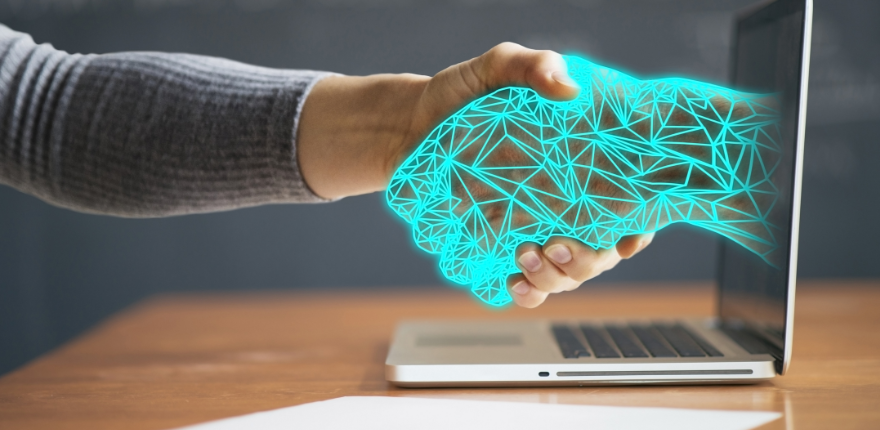
By following these tips, you can manage your data center remotely with greater efficiency, security, and reliability. For more detailed information, visit our website or email us at solutions@mirapath.com.
The original version of this was published here.