
Centralized Rack Designs in Data Centers
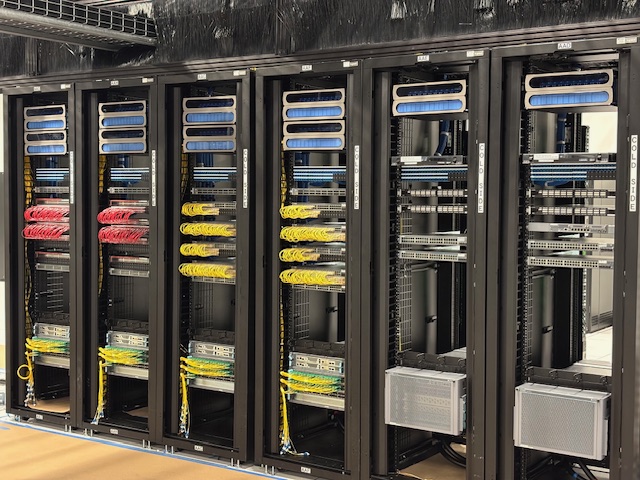
As a data center operator with over 15 years of experience, I’ve witnessed how evolving technology and industry demands shape facility design. One area of significant change is rack layout and the placement of networking devices. The debate between top-of-rack (ToR) configurations and centralized rack designs continues. However, after years of optimizing data center environments, I believe centralizing switches and cabling in the middle of the rack provides unmatched advantages for networking and computing applications.
Improved Cooling Efficiency
One of the strongest arguments for mid-rack switch configurations is improved cooling efficiency. Traditional ToR setups place networking devices at the top of the rack, exposing them to warmer air. This often results in uneven airflow and thermal hotspots, which can shorten device lifespan and decrease system efficiency.
By positioning switches and cabling in the middle, airflow becomes more uniform. Cooling systems operate more effectively, maintaining consistent temperatures across components. In densely packed data centers, this setup increases energy efficiency and extends equipment longevity—both critical factors as power density continues to rise.
Better Weight Distribution and Stability
Centralized rack designs also help with weight distribution, reducing stress on infrastructure. In ToR setups, placing switches at the top of the rack leads to uneven weight concentration, which can create stability issues—especially when using high-density servers and heavy equipment. This imbalance increases the risk of sagging racks, infrastructure strain, and higher maintenance demands.
By centralizing networking components, the weight is evenly distributed across the middle of the rack, improving overall stability. This design minimizes the risk of structural failure and ensures long-term operational consistency.
Accessibility and Ease of Maintenance
Another major advantage of centralized racks is improved accessibility. In ToR configurations, technicians often need ladders or must work in awkward positions to reach top-mounted switches. This not only slows down maintenance but also increases the likelihood of errors and workplace injuries.
With a centralized design, switches are placed at eye level, making installation, maintenance, and troubleshooting much easier. This setup reduces technician fatigue, saves time, and minimizes the chance of errors. In high-pressure environments where uptime is critical, ease of access leads to greater operational efficiency.
Cleaner, More Efficient Cabling
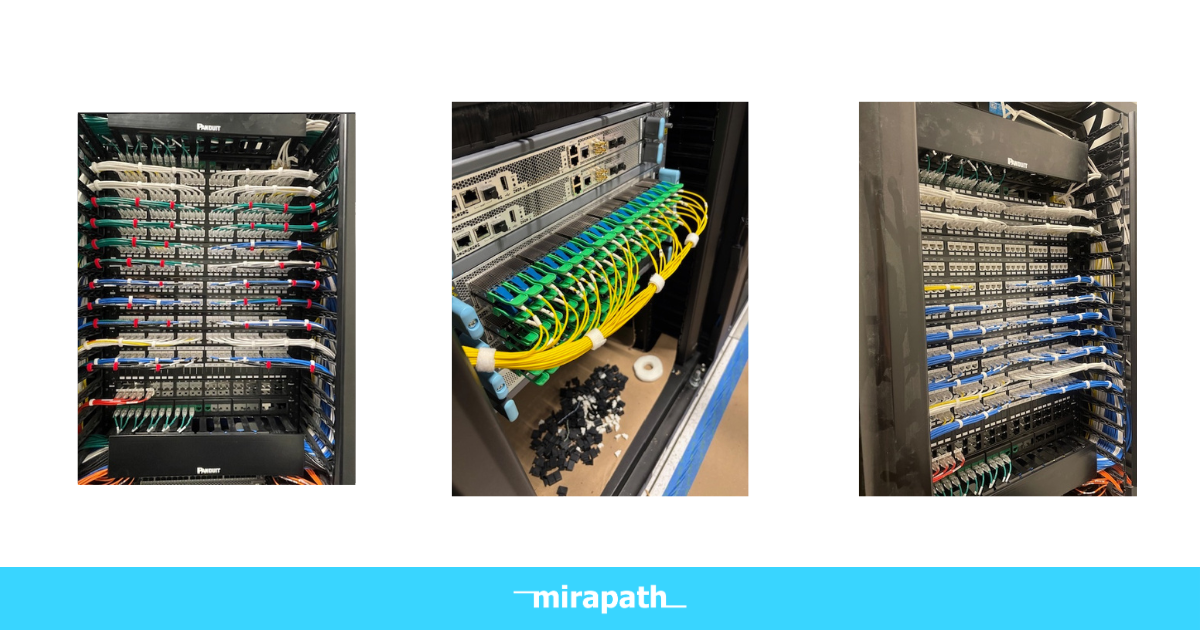
Mid-rack switch placement also improves cable management. With network switches in the center, cabling routes are shorter and more direct, reducing excess cable lengths and eliminating unnecessary clutter.
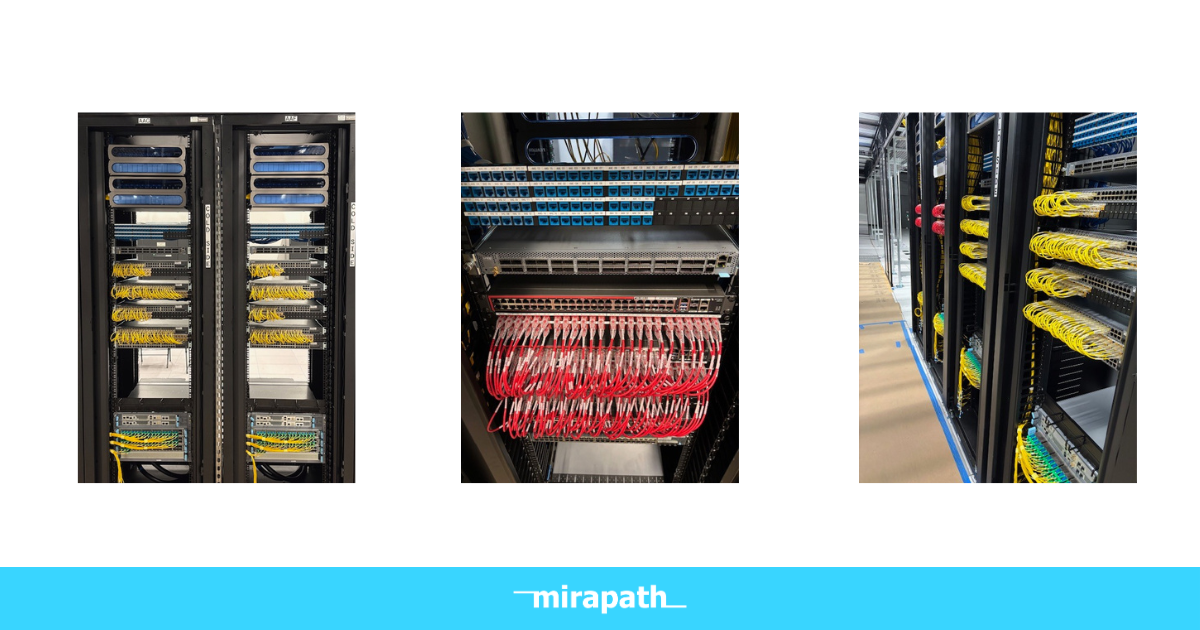
Organized cabling enhances airflow, reduces signal interference, and improves system performance. Proper cable management is crucial for modern data centers, ensuring scalability and efficiency while preventing obstructions that could lead to future maintenance challenges.
The Future of Rack Design
While ToR configurations have long been the industry standard, centralized rack designs offer clear benefits. From improved cooling efficiency and better weight distribution to easier maintenance and cleaner cabling, this approach provides significant advantages in modern, high-demand data centers.
As data centers grow in complexity and power demands increase, adopting innovative rack designs will be crucial for maintaining efficiency and reliability. While centralized racks may not be ideal for every facility, they represent a forward-thinking choice for those looking to optimize performance.
These views are my own and do not necessarily reflect those of my company or industry partners. However, from my experience, moving to a mid-rack configuration isn’t just a design preference—it’s a strategic investment in future-proofing infrastructure for the data-driven world ahead.
Mid-Rack Configuration: An Investment
These views are my own and do not necessarily reflect those of my company or industry partners. However, from my perspective, adopting a mid-rack configuration isn’t just a design choice—it’s an investment in future-proofing infrastructure for tomorrow’s data-driven world.
Learn More
To dive deeper into the advantages of middle-of-rack design and how it’s shaping the future of data centers, listen to my latest podcast episode with Jodie Lin of The Mirapath Podcast. Hear my insights and industry perspectives, and join the conversation on how we can optimize data center infrastructure for the years ahead.