
Yotta 2026 Event Recap
AI plans become real only when the power, cooling, connectivity, supply chain, and deployment strategy can support them. At Yotta 2026, those dependencies shared the same agenda.
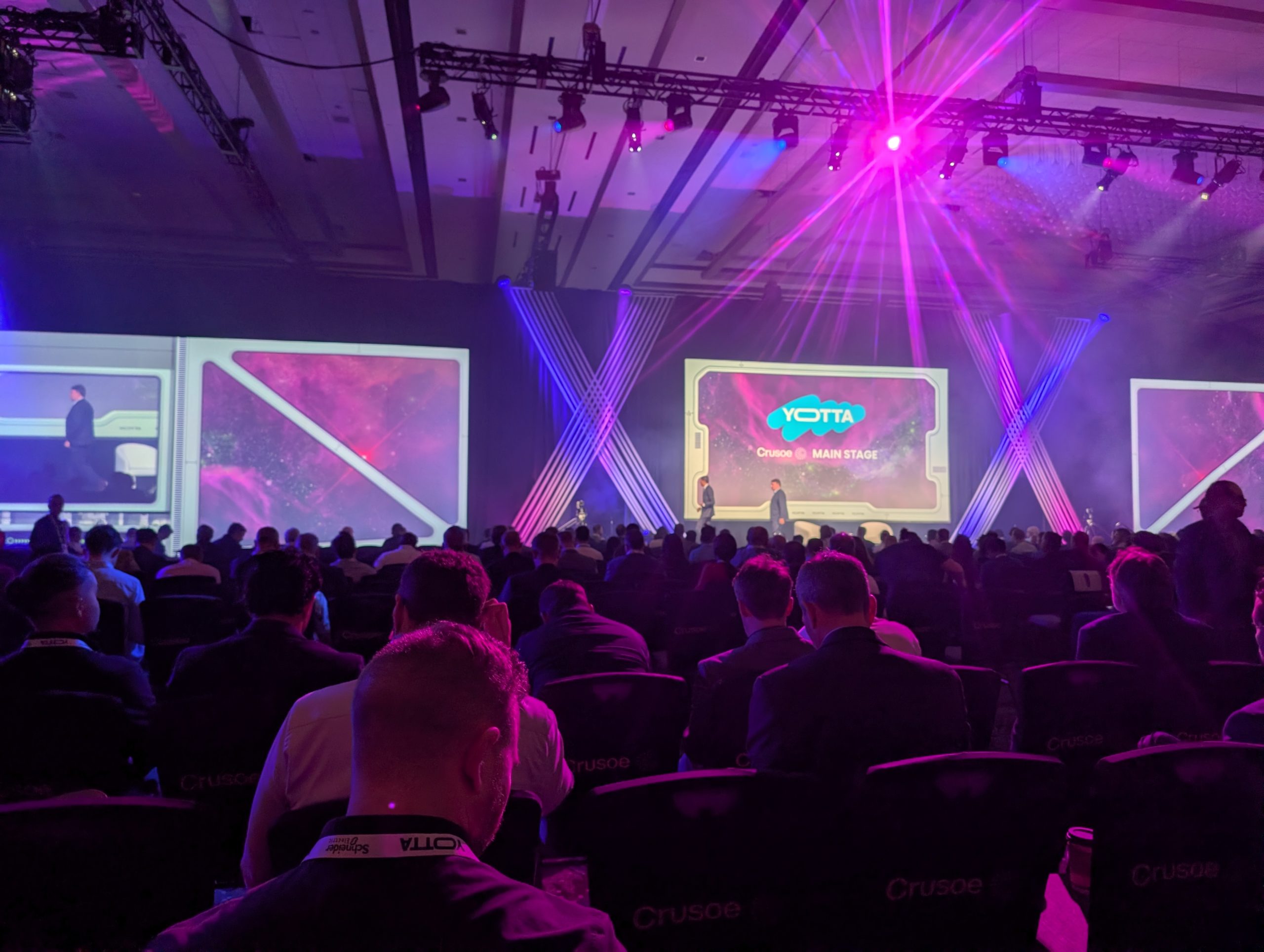
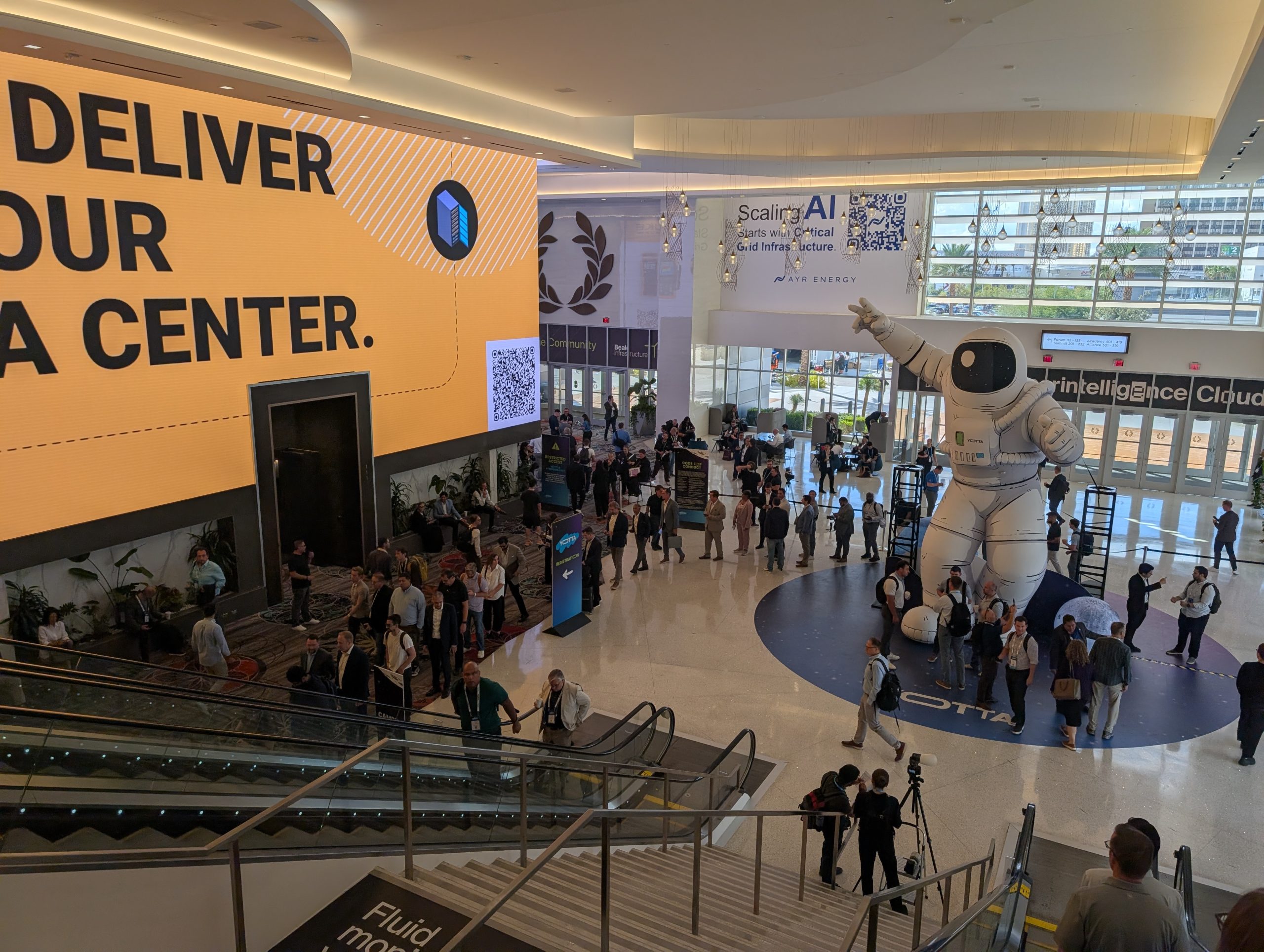
From September 28-30, 2026, Yotta 2026 brought the AI, energy, and digital infrastructure conversation to Caesars Forum in Las Vegas. Mirapath's event plan identified Nick Constant and Jefferson Wang as the company's representatives.
They went with a practical frame for the event: listen for the constraints affecting infrastructure growth, understand how higher-density environments are changing decisions, and connect emerging technology with what customers can realistically design, procure, install, and manage.
At a Glance
- Yotta 2026 took place September 28-30 at Caesars Forum in Las Vegas.
- Mirapath's planning sheet named Nick Constant and Jefferson Wang as attendees.
- The official program connected AI growth with power, cooling, rack density, connectivity, supply chain, and deployment.
- The central planning lesson is that production readiness depends on coordinated infrastructure decisions, not an isolated product choice.
One Program, Many Infrastructure Dependencies
The official Yotta agenda read like a map of the dependencies behind large-scale AI. Sessions addressed utility constraints and onsite generation alongside liquid cooling, heat rejection, high-density rack design, modular construction, fiber growth, and supply-chain execution.
That range matters because no single component makes an environment production-ready. A compute roadmap can influence electrical capacity, rack architecture, thermal design, cable pathways, network density, delivery sequencing, and the skills needed to operate the finished environment.
Mirapath's planning process reflected that broader view. Rather than treating Yotta as a product tour, the plan prioritized customer and partner conversations, market intelligence, technical requirements, and the points where infrastructure design can lose contact with field execution.
In its pre-event communication, Mirapath framed several questions for those conversations: Which constraint is becoming most important? What decisions are teams making earlier? How is density changing deployment? Where are design and execution becoming disconnected?
Power and Cooling Set the Operating Limits
Power appeared throughout the program in different forms: grid availability, interconnection timing, onsite generation, electrical distribution, resiliency, and delivery to increasingly dense racks. The common planning issue is not simply how much power a project may need. Teams also need to understand when it will be available, how it will reach the load, and which design decisions depend on that path.
Cooling followed the same end-to-end pattern. The agenda moved from rack-level liquid cooling to coolant distribution, facility water, heat rejection, and approaches for sites facing water or footprint constraints. Each layer creates interfaces that must be defined before equipment arrives.
This is where requirement-led planning becomes valuable. Instead of beginning with a preferred product, teams can begin with workload, density, schedule, site readiness, redundancy, serviceability, and future expansion. Those requirements create a more defensible basis for evaluating power and cooling options.
Density Changes the Rest of the Design
The Yotta program also placed rack density beside prefabrication, supply chain, and fiber growth. That proximity is useful. Higher-density compute does not stop at a rack specification. It can change the physical space available for power distribution and cabling, the volume of connections, the thermal interfaces, the installation sequence, and the maintenance plan.
Meanwhile, faster technology cycles can collide with the longer timelines associated with facility infrastructure and manufactured equipment. Procurement decisions therefore need more context than availability and unit price. Compatibility, lead time, deployment readiness, logistics, commissioning, documentation, and lifecycle support can all affect whether the selected architecture remains executable.
Modular and prefabricated approaches were another visible part of the agenda. Moving integration work into a controlled factory setting can change where systems are assembled and tested, but it does not remove the need for coordination. Interfaces among the module, facility, utility, network, controls, and operations team still need clear ownership and acceptance criteria.
Turning Event Conversations Into Execution
An event agenda can show where the industry is concentrating its attention. The practical value comes afterward, when teams decide which signals should influence active designs, procurement plans, partner discussions, and customer discovery.
Mirapath's event plan provides a disciplined model for that follow-through. It calls for meaningful conversations to be documented with an owner and next step, personalized follow-up to be prioritized, and useful intelligence to be carried into an internal debrief. Those actions were planned; the available source material does not confirm their completion or disclose any private outcomes.
The larger lesson from the documented program is that AI infrastructure planning cannot be divided into disconnected conversations. Power affects cooling. Density affects racks and cabling. Architecture affects sourcing. Sourcing affects schedule. Installation choices affect commissioning, serviceability, and long-term management.
Bringing those decisions together is the work behind production readiness. It is also why the most useful infrastructure conversation often begins with a constraint: what must the environment support, what is getting in the way, and which decisions need to be coordinated now?
Key Takeaways
- AI infrastructure requirements span energy, facility systems, white-space design, connectivity, supply chain, and operations.
- Power availability and thermal design should be evaluated as connected deployment requirements.
- Higher rack density can affect component selection, physical layout, installation sequencing, and lifecycle serviceability.
- Faster technology cycles increase the importance of vendor-neutral evaluation and visible architecture trade-offs.
- Event intelligence becomes commercially useful when it is converted into documented requirements, owners, and next steps.
Frequently Asked Questions
What was Yotta 2026?
Yotta 2026 was an event focused on AI, energy, and digital infrastructure. It took place September 28-30, 2026, at Caesars Forum in Las Vegas.
Who represented Mirapath at Yotta 2026?
Mirapath's event planning sheet identifies Nick Constant and Jefferson Wang as the company's attendees.
Which infrastructure topics framed Mirapath's Yotta 2026 planning?
Mirapath's plan prioritized power, cooling, connectivity, deployment, rack density, supply chain, site readiness, and the relationships needed to move infrastructure projects forward.